$7,100 in Booking Revenue from $1,521 in Ad Spend
Blue Ridge Abbey needed Google Ads to produce reservations. Clear Presence connected Google Ads to the booking system so Blue Ridge Abbey could see which ads led to completed reservations and what guests paid for them.
In September 2026, Google Ads recorded 20 completed online bookings and $7,100 in booking revenue from $1,521 in ad spend. That is 4.67 times as much booking revenue as ad spend.
More Bookings at Nearly the Same Ad Spend
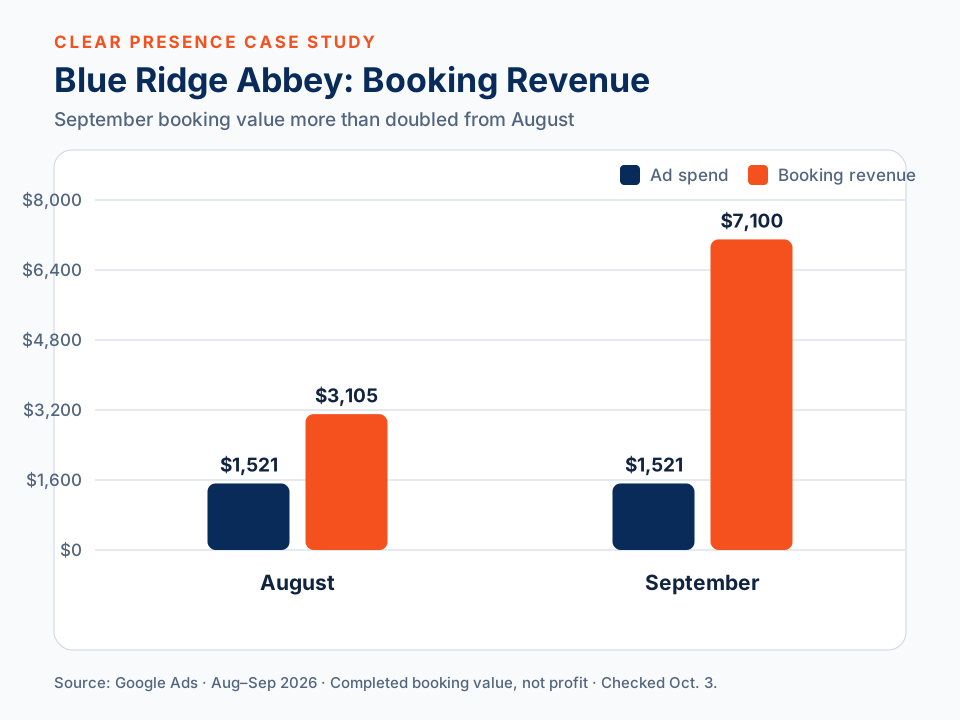
August recorded nine completed bookings and $3,105 in booking revenue from $1,521 in spend. September recorded 20 bookings and $7,100 in booking revenue at nearly the same spend. Booking revenue increased 129%.
Six Complete Months of Results
From April 1 through September 30, 2026, Google Ads recorded 65 completed online bookings, $22,967 in booking revenue, and $8,990 in spend—2.55 times as much booking revenue as ad spend over the full period.
| Month | Ad Spend | Booking Revenue | Completed Bookings |
|---|---|---|---|
| April 2026 | $1,520 | $4,381 | 10 |
| May 2026 | $1,520 | $4,346 | 12 |
| June 2026 | $1,520 | $3,352 | 11 |
| July 2026 | $1,388 | $682 | 3 |
| August 2026 | $1,521 | $3,105 | 9 |
| September 2026 | $1,521 | $7,100 | 20 |
| Six-month total | $8,990 | $22,967 | 65 |
September delivered the most bookings and highest booking revenue of the six-month period, following a quieter July and a recovery in August.
Connecting Ads to Completed Bookings
We connected the booking system to Google Ads so completed reservations and their booking amounts could be measured. Checkout tracking also helps us see where visitors need a clearer path to finish a reservation.
Blue Ridge Abbey can compare advertising costs with the booking revenue its campaigns bring in and see which campaigns lead to reservations.
Where These Numbers Come From
Results cover April–September 2026 and come from completed online bookings that Google Ads credited to the campaigns, with booking amounts supplied by the booking system. The revenue-to-spend ratio compares booking revenue with advertising costs before operating expenses. Amounts are rounded to the nearest dollar; totals are calculated before rounding.
Need Google Ads You Can Measure?
We can review your campaign, booking records, and the pages visitors reach after clicking your ads and tell you plainly what is working and what is not.